
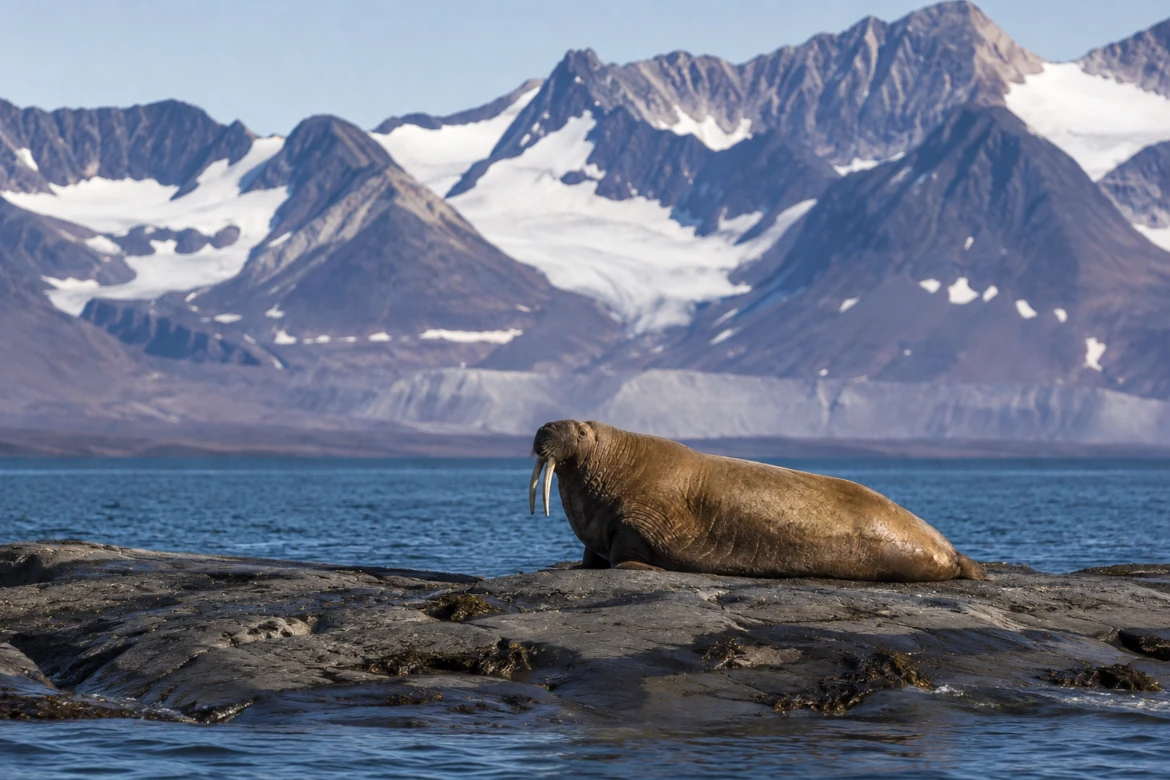
The best time of year to visit Spitsbergen for wildlife depends on what you want to see.
Spitsbergen is the largest island in Svalbard. Svalbard is a group of islands in the Arctic Ocean, far north of Norway. The island has glaciers, mountains, sea ice, and fjords. It is also home to wild Arctic animals.
If you want to see wildlife, the time of year is important. Different animals arrive or become active in different seasons. In summer, you can see many seabirds, seals, and whales. In winter, you get snowy landscapes and a very different kind of trip.
There is no single best month for everyone. But late May through August is one of the best periods to see a wide variety of species.
This page may contain affiliate links.
Late May and June: Life Returns to the Arctic
Late May and June are great months for birdwatching in Spitsbergen. The days grow longer and warmer, and new life appears across the landscape.
Polar Summer starts on May 17 and ends on September 30. In this season, many birds fly north to nest in Spitsbergen, and the cliffs get busy with them. The sea around the islands is also full of food. This brings in seals, walruses, and whales.
In Longyearbyen, the Midnight Sun lasts from April 20 to August 23. This means there is sunlight almost all day, which is great for outdoor trips and photos.
July and August: The Best Months for Wildlife
If you want to see as many animals as possible, July and August are great choices.
Summer brings the most wildlife. Seabirds that fly in for summer join animals that live in Svalbard all year, like polar bears, Arctic foxes, Svalbard reindeer, and rock ptarmigan. Walruses, seals, and whales also stay in the waters nearby.
Summer is the best time for boat trips. Boats can take you into fjords and along the coast, to places you cannot reach by land. These trips are a great way to look for seabirds and sea animals.
If you love photography, summer gives you many hours of daylight. Mountains, glaciers, water, and wildlife together make great photos.
Remember that wildlife is wild. Even in the best season, you cannot be sure you will see one specific animal.
Can You See Polar Bears in Spitsbergen?
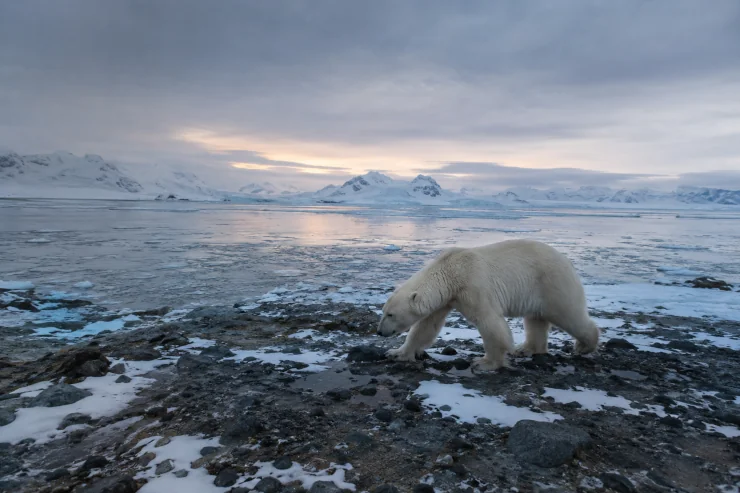
Polar bears are a big reason people want to visit Spitsbergen. But there is no month that promises a polar bear sighting.
Polar bears can be seen in different parts of Svalbard throughout the year. It is hard to predict where they will be. They travel across large areas and need sea ice to hunt and move around.
There are also no organized polar bear tours in Svalbard. No tour company can promise to show you a polar bear. Seeing one is rare and lucky, not something you should expect.
If seeing a polar bear is your main goal, a longer trip gives you more chances. But there is still no guarantee.
“The difficult is what takes a little time; the impossible is what takes a little longer.” — Fridtjof Nansen, Norwegian polar explorer.
March and April: Snow, Ice, and More Light
March and April feel very different from summer.
This season is called Sunny Winter. It runs from March 1 to May 16. Snow and ice still cover the land, but the days grow longer fast.
March often has soft, beautiful light. April brings much longer days. This is a popular time for dog sledding and snowmobile trips into the Arctic landscape.
Wildlife is still here in this season. You can see polar bears, Arctic foxes, and reindeer. But there are fewer birds, since most have not arrived yet, and less activity on open water.
If you want to see wildlife along with snow, glaciers, and winter activities, March and April are a great choice.
September: A Quiet Time for Wildlife
September is still officially part of Polar Summer in Spitsbergen, but it feels like the season is turning toward fall.
The time from August 24 to September 30 is the Golden Autumn. The tundra can take on vivid autumnal colors, though this is not guaranteed every year. Many birds begin flying south for the winter.
This means fewer bird species than in summer. But the animals that live in Svalbard all year are still around.
September is a good choice if you want a quieter, more colorful trip. Days grow shorter, and the Midnight Sun has ended, so evenings get darker.
October to February: A Different Kind of Trip
This part of the year is called the Northern Lights Winter. It runs from October 1 to February 28. The darkest part, called the Polar Night, runs from roughly mid-November to late January.
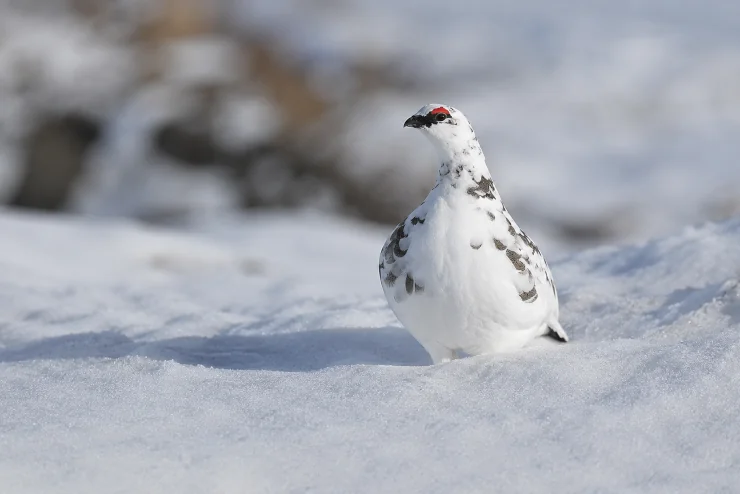
This is not the best season if you want to see many animals. There is very little daylight, and most of the birds that fly in for summer have already left. Rock ptarmigan, reindeer, Arctic foxes, and polar bears stay in Svalbard all year, but they are harder to find because of the dark and the cold.
For this reason, October through February is best for travelers who want Arctic scenery, winter activities, and the Northern Lights, not a classic wildlife trip.
Best Time to See Arctic Animal Species
The best month depends on which animal species you want to see.
- For the widest mix of wildlife: Choose late May through August. Summer brings both birds that fly in and animals that live there all year.
- For seabirds: Choose June and July, when many birds come to Svalbard to nest.
- For walruses, seals, and whales: Summer is a strong choice. The waters around Spitsbergen become an important feeding place for sea animals.
- For polar bears: There is no single best month. Polar bears can appear at any time, and sightings are never certain.
- For snowy landscapes and winter activities: Choose March or April. There is still plenty of snow and ice, but the days are getting longer. Wildlife viewing is more varied in summer.
- For fall colors and a quiet trip: Choose late August or September, when the tundra turns gold.
Why Boat Trips Matter for Wildlife
Most wildlife is not found right around Longyearbyen. To see the best of it, you usually need to get out to the coast, into the fjords, or farther away. This is why a boat trip is one of the best ways to see wildlife and scenery around Spitsbergen in summer.
Boats can take you to fjords, glaciers, and beaches that you cannot reach by road. Some trips focus mostly on scenery. Others are planned around wildlife. On these trips, you may see walruses resting near the shore, seabirds on the cliffs, or seals in the water. Whales can also appear in the sea nearby in summer.
The size of the boat matters too. Small boats can go into narrow places and feel more personal. Large boats are more comfortable on longer trips. Some trips mix wildlife watching with stops near glaciers.
Weather at sea can change fast in the Arctic. Ice, wind, and waves can affect where a boat can safely go, so the route is not always the same. Wildlife also moves around a lot. Even if you do not see an animal up close, you will likely still see beautiful views of the Arctic.
Before you book, check the route, the trip length, the season, and what kind of wildlife the company usually looks for. It also helps to choose a company with experienced local guides who know the area and its changing conditions.
How Many Days Do You Need?
If wildlife matters to you, plan a longer trip, not a short one.
More days give you more chances to join different activities and deal with Arctic weather changes. A boat trip might get canceled because of wind, but another activity could work well on that same day.
For a wildlife-focused trip, five to seven days is a good target. If you have more time, a longer stay gives you even more chances to explore.
Staying Safe Around Wildlife
Spitsbergen is true Arctic wilderness, not a wildlife park. Conditions can change fast, and polar bears can appear without warning. It is strongly recommended to explore with a professional local guide.
Never approach, chase, feed, or disturb wild animals.
Polar bear safety rules are especially important. Current rules in Svalbard say you must stay at least 300 meters away from a polar bear. From March 1 through June 30, that distance grows to 500 meters. If a bear comes closer than the rule allows, you must move away.
For most visitors, joining a guided tour is the safest and easiest choice. Guides know local conditions and how to react if you meet wildlife.
What to Book for a Wildlife Trip
Once you choose your season, book your main travel plans early. It is smart to arrange your hotel and activities ahead of time, especially in busy seasons.
These sites can help you plan different parts of your trip:
- Expedia: Find flights, hotels, car rentals, packages, and activities in one place.
- Hotels.com: Book a hotel with flexible options.
- Discover Cars: Compare rental car prices. Roads in Spitsbergen are limited to the area around Longyearbyen and do not reach the wider wilderness.
- GetYourGuide: Find tours and activities, including Arctic experiences.
- Stay22: Explore places to stay using an interactive map.