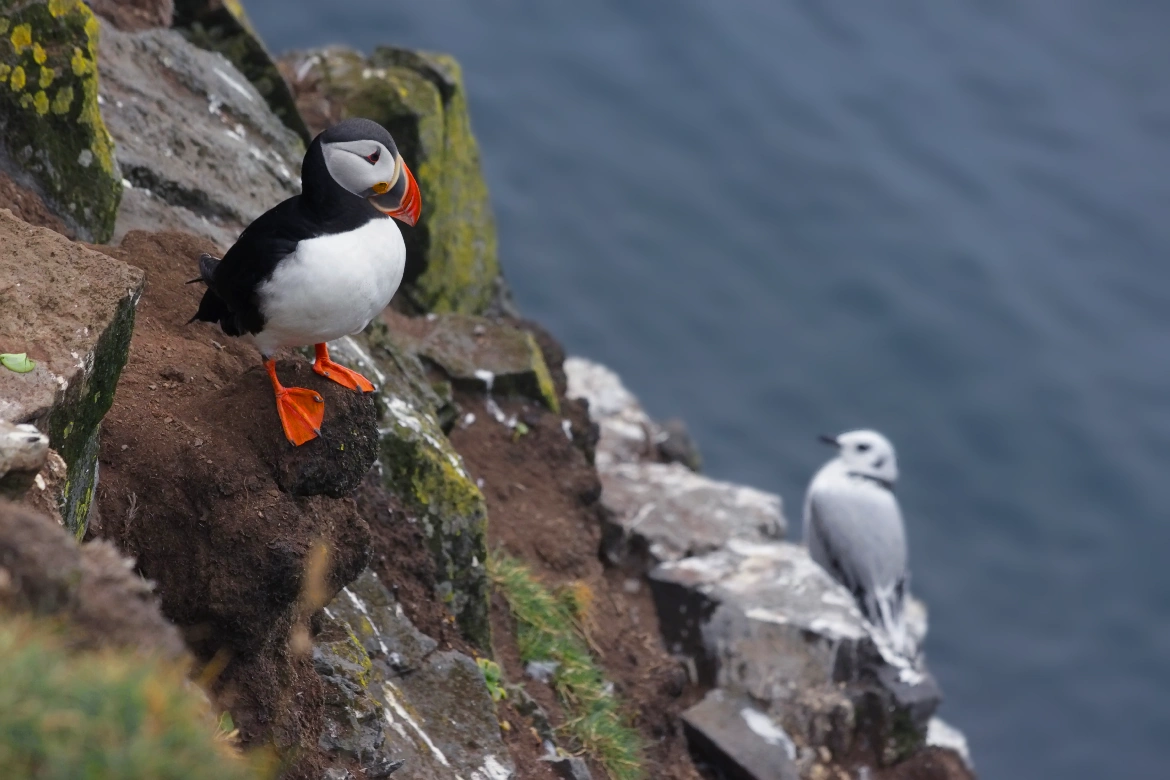
Birdwatching in Spitsbergen, the largest island in Svalbard, is a great way to see Arctic seabirds. This Norwegian island has high mountains, glaciers, deep fjords, and long coastlines.
Across Svalbard, 45 bird species nest regularly, and more than 240 bird species have been recorded over time. Many birds flock to Spitsbergen in summer to find food, build nests, and raise their young. It’s a lively season, full of bird calls and movement.
This page may contain affiliate links.
Best Time for Birdwatching in Spitsbergen
The best time for birdwatching in Spitsbergen is the Arctic summer. June and July are especially good months because many birds are busy around their nesting areas.
Summer is also the time when Spitsbergen has almost constant daylight. This gives visitors many hours to watch birds and take photos.
The exact timing of nesting can change each year. Snow, ice, and weather can affect when birds start nesting and when young birds leave their nests.
July can be a very exciting month for birdwatchers. Some young Brünnich’s guillemots leave their nests at this time. This short event is known as the “bird jumping.”
If you want to see a special bird event, check with a local tour company before your trip. Wildlife does not follow an exact calendar every year.
Fuglefjella

Fuglefjella is one of the easiest bird areas to visit from Longyearbyen.
The name means “bird mountain.” It is well known for its summer bird life. Local trips list little auks, guillemots, gulls, and fulmars among the birds found around the mountain.
You can visit Fuglefjella on a guided hike. Some trips start near Bjørndalen and take visitors toward the mountain. You can also see the cliffs from the sea on a boat trip from Longyearbyen.
A boat trip can be a very good choice if your main goal is to watch birds. From the water, you can look up at the cliffs and see birds flying between the sea and their nests.
Fuglefjella is also a good place to enjoy the Arctic landscape. Depending on the trip, you may see other animals in the area as well.
Isfjorden

Isfjorden is another good area for birdwatching. It is close to Longyearbyen, so it is easy to include in a short Svalbard trip.
Boat trips in Isfjorden can take visitors toward bird cliffs and other wildlife areas. Some current trips visit Fuglefjella and focus on birds and wildlife.
Watching birds from a boat has several advantages. You can cover more distance than on foot and see the cliffs from the water. You also do not need to walk close to nesting birds.
Keep your binoculars ready throughout the trip. Birds may be sitting on the water, flying over the fjord, or moving between the sea and the cliffs.
Isfjorden is also a good place to enjoy the scenery. Mountains, water, ice, and birds can all be part of the same trip.
Trygghamna

Trygghamna is one of the most interesting places for birdwatchers in late July.
The area is known for the bird jumping event. Young Brünnich’s guillemots leave their nests on the Alkhornet cliffs and make their first journey toward the sea.
The event lasts only a few days. The exact time can change from year to year, depending on the birds and the weather.
The young birds are not strong flyers yet. They leave the cliff and head toward the sea. Adult birds are also nearby.
This can be an amazing thing to watch, but visitors should never try to get closer to the birds. A good guide can help you find a safe place to watch the event without disturbing the animals.
If you want to see the birds jumping, it is best to keep your travel dates flexible. This is a short natural event, so the exact dates do not coincide every year.
Hornsund
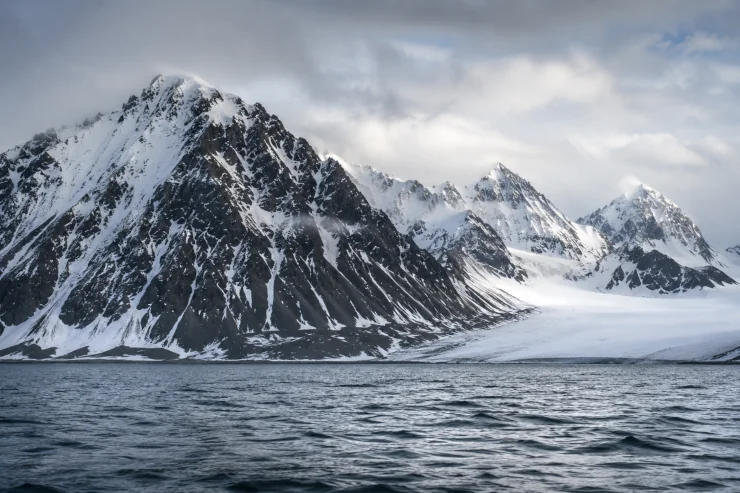
Hornsund is in the south of Spitsbergen. It is much farther from Longyearbyen than Fuglefjella and Isfjorden.
For this reason, Hornsund is usually better for people taking a longer Arctic boat trip.
The area has high mountains, glaciers, sea ice, and coastal areas. A longer trip can give you chances to see seabirds while also enjoying the Arctic landscape.
If you are visiting Spitsbergen for only a few days, you do not need to travel this far to see seabirds. Trips around Longyearbyen and Isfjorden can already give you good birdwatching opportunities.
Kongsfjorden

Kongsfjorden is another well-known fjord on the west side of Spitsbergen.
The fjord has mountains, glaciers, and coastal areas where birds can be seen. The settlement of Ny-Ålesund is also in this area.
Kongsfjorden is often a good choice for people taking a longer trip along the west coast of Spitsbergen. It can be part of a wider Arctic trip rather than a short birdwatching visit from Longyearbyen.
The area also has special rules for drones and other activities. Check the latest local rules before using a drone or planning an independent trip.
Which Seabirds Can You See?
Spitsbergen has many seabirds. Some live in large groups on the cliffs, while others spend more time on the water.
Here are some birds to look for:
- Little auk: A small black-and-white bird that breeds in large groups.
- Brünnich’s guillemot: A strong diving bird that nests on steep cliffs.
- Black-legged kittiwake: A type of gull often seen around bird cliffs.
- Northern fulmar: A seabird that often glides over the sea.
- Atlantic puffin: A well-known bird that can be seen in parts of Svalbard during summer.
- Common eider: A sea duck found around the coast.
- Black guillemot: Another seabird found in Svalbard.
Boat Trip or Hike for Birdwatching?
A boat trip is often the easiest way to see seabirds in Spitsbergen.
Boats can reach parts of the coast that are hard to visit on foot. They also give you a good view of the cliffs from the water.
A guided hike can be a good choice if you want to spend more time on land. Fuglefjella is one example of a bird area that can be visited on a guided hike from the Longyearbyen area.
For a first visit, a guided trip is a simple choice. A local guide can help you find birds and follow local safety rules.

What to Bring for Birdwatching
You do not need expensive equipment to enjoy birdwatching.
A pair of binoculars is one of the most useful things to bring. A camera with a long lens can also help if you want to take bird photos.
Pack:
- Binoculars
- Camera and extra batteries
- Warm clothes
- Waterproof jacket and pants
- Gloves and a warm hat
- Sunglasses
- Comfortable outdoor shoes
- Small backpack
- Water and snacks
The weather can feel cold on the water, even during summer. Wind can also make it feel much colder, so warm layers are important.
On the frozen shores of Spitsbergen, every bird reminds us that even in the wildest places, life always finds a way.
Keep Your Distance From the Birds
Wildlife watching in Svalbard must be done with care. Not only because of polar bears. Do not try to get close to nests or make birds fly for a photo.
Svalbard has strict rules to protect wildlife. Visitors must not disturb birds or other animals. Some bird areas also have special rules for boats and other traffic.
There is a 5-knot speed limit for boats within 500 meters of selected bird cliffs from April 1 to August 31. The selected cliffs are shown on official maps.
This rule helps reduce noise and other problems for birds during the nesting season.
Drone Rules Near Bird Cliffs
Drone users need to be especially careful in Svalbard.
From April 1 to August 31, drones cannot be flown within 500 meters of bird cliffs. There are also other drone rules in protected areas and around some settlements.
For birdwatchers, the safest choice is to check the current rules before bringing a drone on a trip. A local guide can also explain which areas have restrictions.
Plan Your Birdwatching Trip From Longyearbyen
Longyearbyen is the main starting point for many trips in Spitsbergen.
If birds are your main interest, look for tours that clearly mention birdwatching, bird cliffs, or wildlife. A general sightseeing trip may also be enjoyable, but a bird-focused trip can give you more time to look for birds.
A flexible schedule is useful in the Arctic. Weather and sea conditions can affect boat trips, and wildlife does not always appear at the same time.
For a short visit, consider a trip to Fuglefjella or Isfjorden. If you have more time, look for longer trips that visit areas such as Trygghamna, Hornsund, or Kongsfjorden.
Book Flights, Hotels, Cars, and Activities
These trusted travel platforms can help you arrange different parts of your Spitsbergen trip:
- Expedia — Find flights, hotels, car rentals, packages, and activities in one place.
- Hotels.com — Book accommodation and compare hotel options. Many properties offer flexible or refundable rates, depending on the booking.
- Discover Cars — Compare car rental offers from different rental companies. A car will not take you to most of Spitsbergen’s bird cliffs, so it is mainly useful for local travel where roads are available.
- GetYourGuide — Find tours and activities and check reviews from other travelers. Look for wildlife and boat trips in Svalbard when planning your birdwatching days.
- Stay22 — Use an interactive map to explore places to stay and see accommodation options by location.