
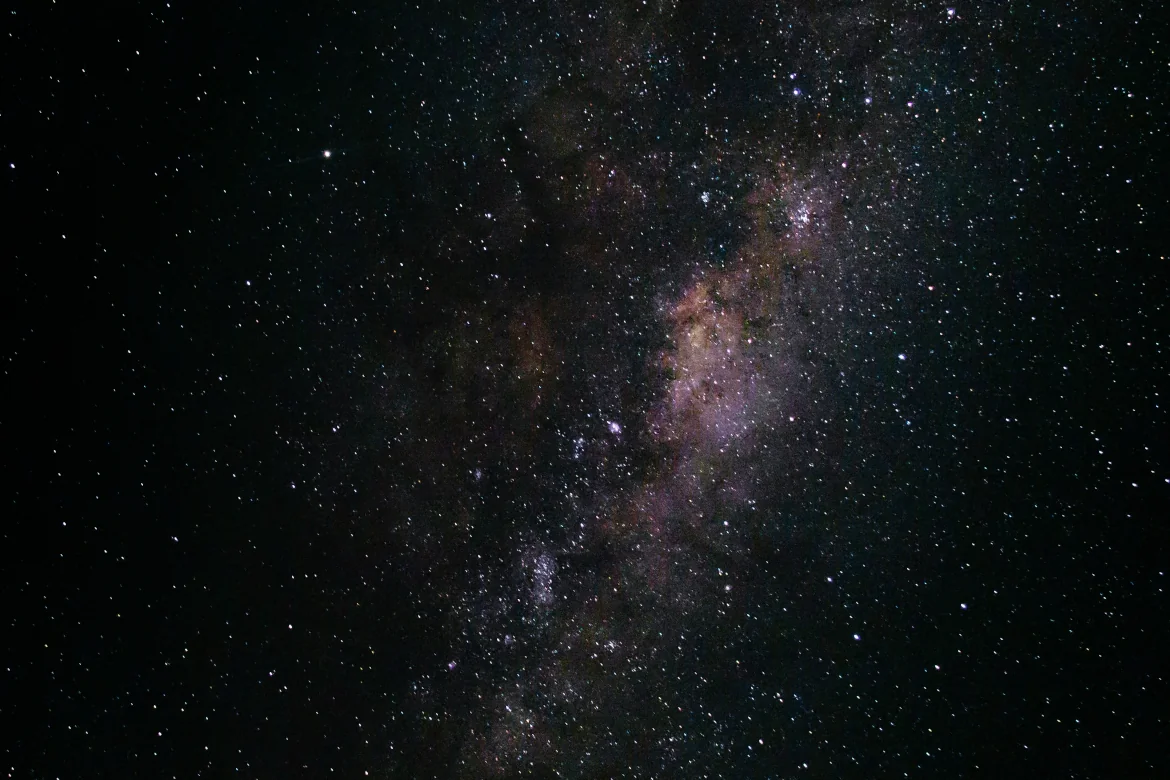
Most people in the UK have never seen a truly dark sky. Streetlights, car headlights and glowing shop signs mean the stars stay hidden for the vast majority of the population of Great Britain. On the Isle of Man, it is a different story entirely.
This page contains affiliate links, which may earn us a small commission.
The island is now home to 26 officially recognised Dark Sky Discovery Sites, given this status by a UK science organisation that checks locations for low light pollution and clear views of the horizon. Seven sites were approved in 2012, and a further 19 followed just two years later, giving the island the highest concentration of these sites anywhere in the British Isles.
The reason is simple. With a small population spread across a small area, and few large towns, there is little artificial light to drown out the night sky. Astronomers on the island have long taken advantage of this, and it was local enthusiasts, led by astronomer Howard Parkin, who pushed for the sites to be formally recognised in the first place.
The designated spots range from beaches and headlands to historic sites, including the medieval village of Cregneash, the ruins of Rushen Abbey, and Peel Castle.
Further round the coast, places like Niarbyl and Smeale offer wide, uninterrupted views of the horizon, and on a clear winter night, visitors have even reported catching a glimpse of the northern lights from the island’s northern tip. For those willing to climb, the summit of Snaefell, the island’s only mountain, offers a full circle of sky in every direction.
The best stargazing tends to fall between October and March, when the nights are longest. Even so, islanders are increasingly aware that the status cannot be taken for granted. As building and traffic slowly increase, local astronomers have begun warning that creeping light pollution could put the island’s dark, star filled skies at risk.