In 1957, the River Thames, running through the heart of London, was described as biologically dead.
Decades of sewage and industrial pollution had stripped the water of oxygen, leaving little life in its murky flow. Today, the tidal Thames is home to seals, porpoises, and more than 100 species of fish.
The Thames runs for around 346 kilometers from its source in the Cotswolds to the North Sea, making it the longest river entirely in England, though it falls short of the River Severn’s claim to being the longest river in Great Britain.
For centuries, it served as London’s main highway, with watermen ferrying passengers long before bridges spread across the river. In colder centuries, sections of the Thames even froze solid enough to host Frost Fairs with stalls and games. The ice at Blackfriars was once thick enough for an elephant to cross.
The turning point came in the decades that followed the 1957 warning. Major investment in sewage treatment, combined with tighter pollution controls from the 1960s onward, gradually restored oxygen levels and allowed fish to return.
Salmon, once lost from the Thames, have occasionally been spotted in the river again. Their return is a sign of how much water quality has improved, although they have yet to make a lasting comeback. The river has also attracted even more unexpected visitors, including a whale spotted near central London in 2006.
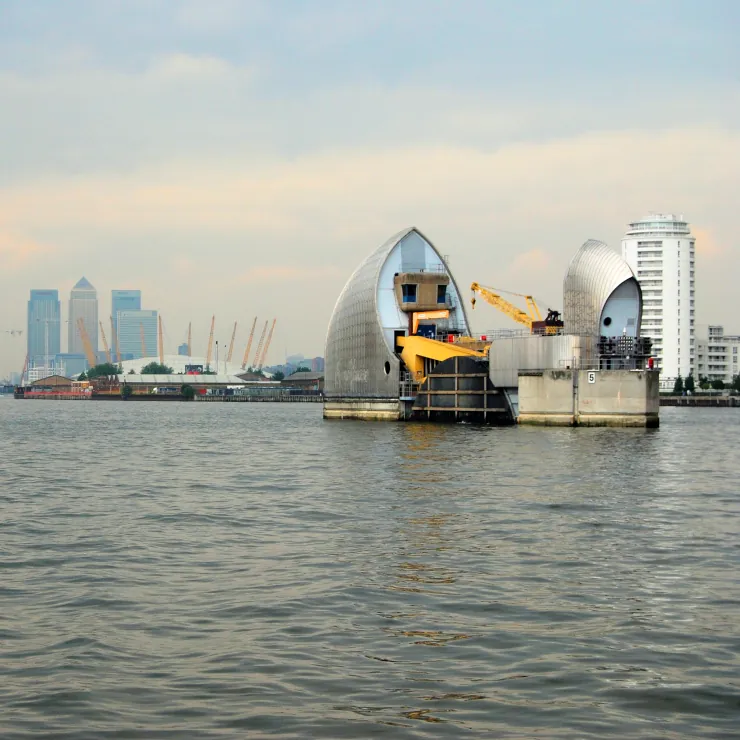
The Thames still faces pressure. Rising sea levels and the increasing risk of tidal flooding mean the Thames flood defense system will eventually require major adaptation to continue protecting London.