
 Islands Around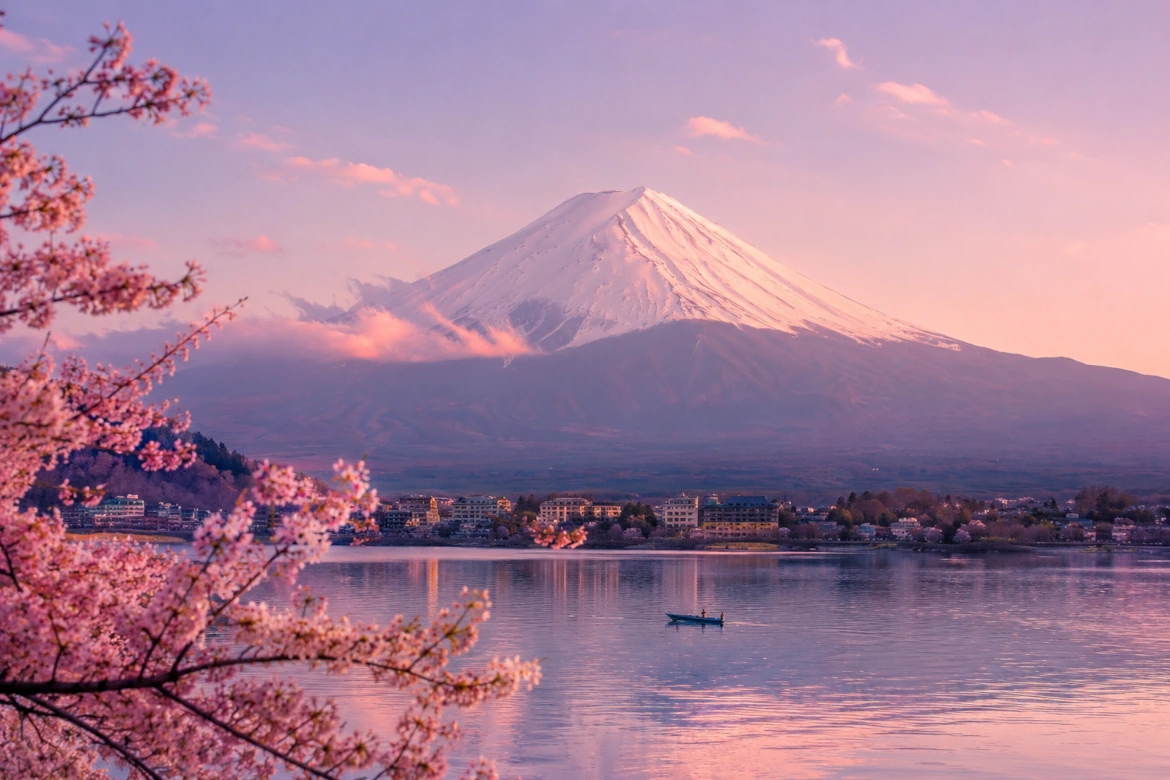
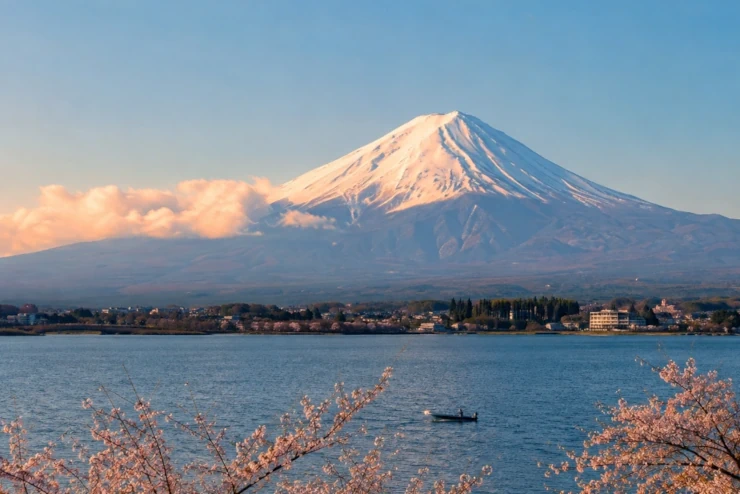
Mt. Fuji is one of those mountains that looks too perfect to be real. That clean, snowy cone rising above Lake Kawaguchi shows up on postcards and social media feeds everywhere.
But here’s the thing people forget while they’re snapping photos. It’s an active volcano. It just hasn’t blown its top in over 300 years. So when did it actually happen, and should you care while planning your trip? Let’s get into it.
This page may contain affiliate links.
So, When Did Fuji Last Erupt?
Mt. Fuji last erupted back in December 1707. It kicked off on December 16 and kept going for about two weeks, wrapping up around New Year’s 1708. People call it the Hoei eruption, named after the era in Japanese history when it happened. This wasn’t lava slowly oozing down the slopes like you might picture with Hawaiian volcanoes. It was explosive. Ash, rocks, and gas got blasted way up into the sky instead.
That eruption also punched open new vents on the mountain’s southeast side, and you can still see the result today. It’s called Hoei zan, a smaller bump sticking out from Fuji’s otherwise perfectly symmetrical shape. Next time you see Fuji from the Gotemba side, look closely. That little lump on the slope is basically a 300-year-old scar.
Why People Still Talk About It
The ash from that eruption traveled all the way to Edo, which is what Tokyo used to be called, roughly 100 km away. Rooftops, fields, streets, all covered in gray ash for months. Crops failed, farmers struggled, and everyday life just got harder for a good stretch of time. It’s a good reminder that when Fuji does something, it’s not just a local event. The effects can spread pretty far.
Here’s a wild detail too. Just 49 days before the eruption, a massive earthquake hit the region, one of the biggest in Japanese history, magnitude 8.6. A lot of geologists think that quake might have helped trigger the eruption, though nobody can say for sure. It’s exactly why scientists still keep such a close eye on Fuji whenever there’s major seismic activity nearby.
Fuji Has Erupted Way More Than Once
The Hoei eruption gets all the attention because it’s the most recent one, but Fuji has actually gone off many times over the centuries. Records go back over a thousand years, with notable eruptions happening in the years 800–802 (Enryaku eruption) and 864–866 (Jōgan eruption), back in the Heian period.
The 864–866 eruption was a big one too. Lava flowed out and actually split what used to be a single large lake into what we now know as Lake Shoji and Lake Sai, part of the Fuji Five Lakes area that tourists visit today. So next time you’re standing by one of those lakes taking photos, you’re literally looking at something the volcano created.
Basically, Fuji goes through phases of activity followed by long quiet stretches, and we’re currently in one of those quiet stretches. Three hundred years might sound like forever to us, but geologically speaking, it’s barely a blink.
Is It Still Active, Though?
Yep. Mt. Fuji is officially still classified as active, not dormant, not extinct. Japan keeps it under constant watch with seismographs, GPS sensors, and gas monitors: the whole setup. There’s no sign of anything brewing right now, and honestly, there’s no reason to lose sleep over it.
Millions of tourists and climbers visit every single year without any issues. If something ever did start stirring, there’d be plenty of warning long before it became dangerous for visitors.
Best Time to Go, Volcano Aside
Honestly, weather is a bigger deal than volcanic activity when you’re planning your visit. The official climbing season runs from early July to early September. That’s when the mountain huts are open, and the trails are actually maintained. Outside that window, snow and ice make climbing genuinely risky, way more than anything to do with the volcano itself.
If you’re not up for the climb and just want that iconic view, aim for autumn, October and November, or winter, when the skies are usually clearest, and you get that classic snow-capped look. Spring is gorgeous too if you time it with cherry blossom season. Spots like Chureito Pagoda get you Fuji and pink blossoms in the same shot.
Planning Your Trip Around Fuji
Most people base themselves around Kawaguchiko or Hakone. Both have great lake views, hot springs to relax in after a day of walking, and easy access to trailheads if you do want to hike. You can get to either from Tokyo in under two hours by train or bus, so it works great as a day trip, or a chill overnight stay if you want to slow things down.
A lot of travelers pair Fuji with a longer Japan trip. Tokyo, Kyoto, maybe even a ferry ride along the coast if you’ve got extra time. Getting all the pieces sorted doesn’t have to be a headache, though. These platforms cover pretty much everything you’d need, from flights to unforgettable experiences:
- Expedia: Find the best flight deals
- Direct Ferries: Compare ferry routes easily
- Hotels.com: Book accommodation with flexible options
- Discover Cars: Rent a car at competitive prices
- GetYourGuide: Discover top-rated tours and activities
- Stay22: Explore stays with an interactive map