
 Mio Nishimura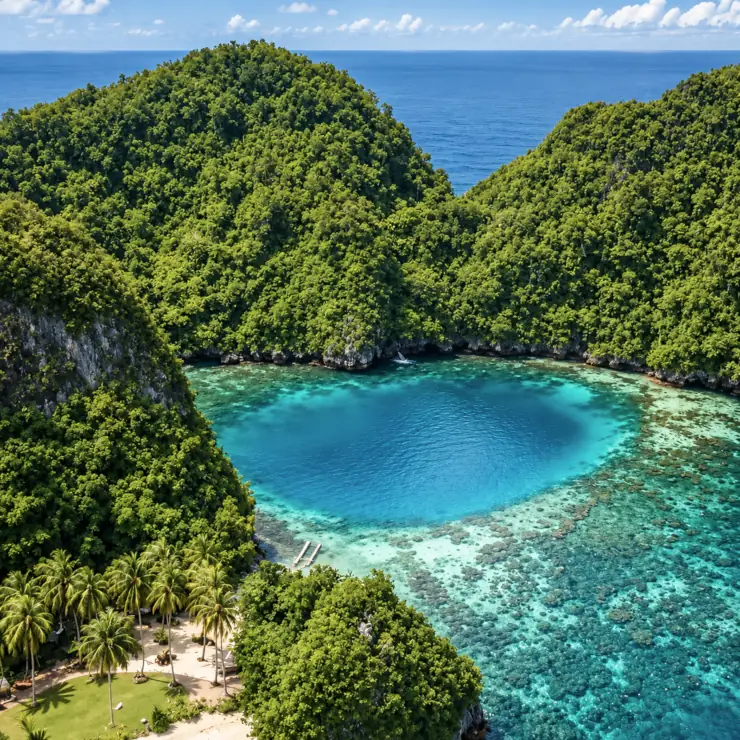
Mindanao is the second-largest island in the Philippines, located in the southern part of the country. It is larger than countries such as Portugal, Austria, and Ireland.
Compared with Luzon, Mindanao offers far fewer crowds, more open landscapes, and a stronger sense of cultural diversity, which makes it a rewarding choice for travelers who want something different from the usual Philippines itinerary.
The island offers beaches, mountains, forests, waterfalls, and traditional communities. Davao City is a useful base for exploring the region. It is one of Mindanao’s main cities, with hotels, restaurants, transport connections, and easy access to nearby natural attractions.
Just outside Davao, Samal Island is known for clear water, coral reefs, and beaches such as Kaputian Beach. Talikud Island is also popular for snorkeling and island trips. Off the northeastern coast of Mindanao, Siargao is famous for surfing, especially around Cloud 9, a powerful reef break with a boardwalk where visitors can watch the surfers.
Beyond the main surfing areas, Siargao has mangrove forests, quiet beaches, lagoons, and smaller islands. The surf season runs roughly from September to November, and Siargao can be reached by direct flights as well as by ferry.
Near Zamboanga, Grande Santa Cruz Island is known for its unusual pinkish sand. The color comes from small pieces of red coral mixed with the sand. In Tawi-Tawi province, Panampangan Island is known for its long sandbar and shallow turquoise water. These areas are remote and harder to reach, so they are better suited to later trips than to a first visit.
Mindanao also has impressive mountain landscapes. Mount Apo is the highest mountain in the Philippines. Climbing it requires a permit and usually a local guide. The island’s interior includes forests, rivers, waterfalls, and highland areas that attract hikers and nature lovers.
Beyond its landscapes, Mindanao has a diverse cultural history. Islam has been an important part of the southern island for centuries, and Muslim heritage remains visible in mosques, crafts, food, and local festivals.
Groups such as the Maguindanaon and Maranao have strong cultural traditions. Indigenous communities, including the Subanon and other Lumad groups, also keep their own customs alive through weaving, carving, and other forms of artistic expression.
The name Mindanao is linked to the Maguindanaon, one of the major Muslim peoples of the southern Philippines. The Maguindanao Sultanate was an important political power in the region before and during the period of Spanish colonial rule.
Traveling around Mindanao is possible by plane, bus, ferry, and smaller boats. Davao City and Cagayan de Oro are important transport centers. From Davao, travelers can take a boat to Samal Island. From Surigao City, ferries connect to Siargao.
For a first trip, it is practical to focus on one area, such as Davao and Samal Island or Surigao City and Siargao. This allows travelers to spend more time enjoying the beaches, nature, and local culture instead of making long journeys across the island. Because security conditions can differ between regions, check your government’s current travel advisories before you go.
With its mix of island beaches, mountain scenery, and living cultural traditions, Mindanao rewards travelers who are willing to look beyond the better-known destinations.
