
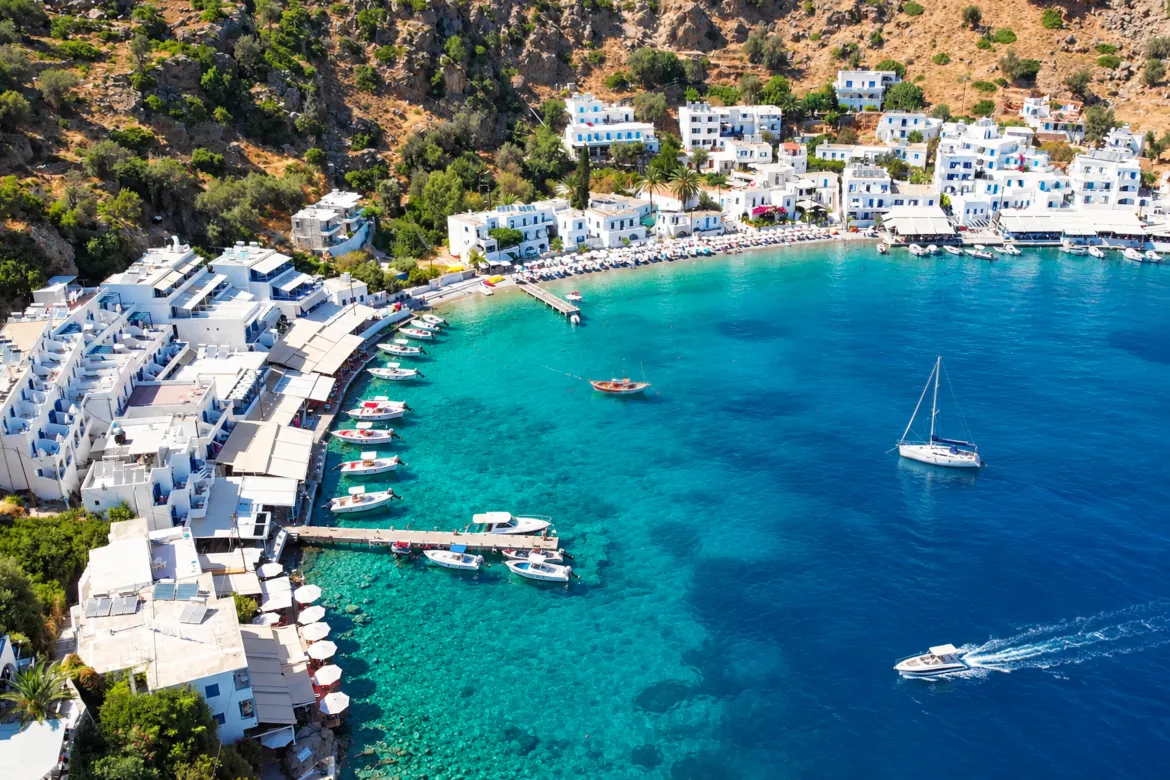
Planning your first time in Crete? Here’s what to know about where to stay, which beach to pick, and whether Knossos is worth it.
This page contains affiliate links. We may earn a commission at no extra cost to you.
Crete is the largest island in Greece, and a first trip there means deciding things like: Should you rent a car? Stay in one town or move around? Is Knossos worth your time if history is not really your thing? Here are the answers, based on how the island actually works.
Do You Need a Rental Car?
In most cases, yes, but it depends on who is travelling. Crete is much bigger than people expect, and the best beaches, gorges, and mountain villages are often far from any bus stop. Public buses connect the main cities well, but they run less often to smaller towns and rarely reach the more remote beaches.
If you are travelling solo and enjoy figuring things out as you go, buses combined with the odd taxi or day tour can work fine, especially if you stay close to one city.
If you are travelling with young children, a car is almost always the better choice, since it lets you leave a beach or activity the moment a child gets tired, without waiting on a bus schedule.
Older travellers who would rather avoid standing on a moving bus or managing luggage on public transport also tend to find a hire car far less stressful, even if driving itself is not something they enjoy doing every day. In that case, hiring a car with a driver for a day or two is a good middle option.
If you want the freedom to stop at a random viewpoint or chase down a quiet beach, hiring a car makes the trip far easier no matter who you are travelling with. Roads between major towns are in good shape, though mountain roads can be narrow, so drive with care.
One Base or Several? Deciding How to Move Around
Both work, but they suit different trips.
Staying in one base and taking day trips is simpler and less tiring, especially if this is your only visit and you want to relax as much as explore.
Moving between two or three towns gives you a better feel for how different the regions of Crete are from each other, but it means more packing and unpacking.
For a first visit of about a week, many travellers pick one base in the west, since it puts you close to Chania’s old town, the Samaria Gorge, and beaches like turquoise-lagoon Balos and pink-sand Elafonisi, or in the centre, since it sits within easy reach of Knossos and puts both the east and west coasts within a similar driving distance. Either base works well with one or two overnight trips added to see more of the coast.
Choosing Between Heraklion, Chania, and Rethymno
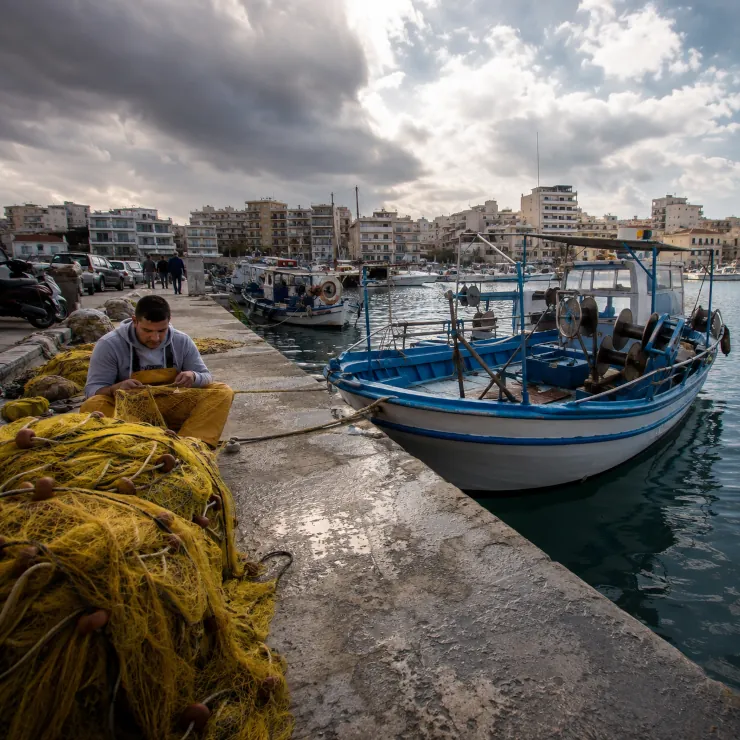
Heraklion is the capital and has the busiest airport, which makes it convenient if you are short on time or plan to fly in and out quickly. It also sits closest to some of the island’s most visited historical sites.
Chania, in the west, has a stunning old Venetian harbour and a slower pace, which appeals to travellers who want charm over convenience. Rethymno sits between the two and offers a smaller old town with a similar Venetian feel, but with fewer crowds than Chania in peak season.
None of the three is a wrong choice, but Chania tends to win over first-time visitors who care more about atmosphere than airport distance.
Is Knossos Worth Visiting If You Are Not Into History?
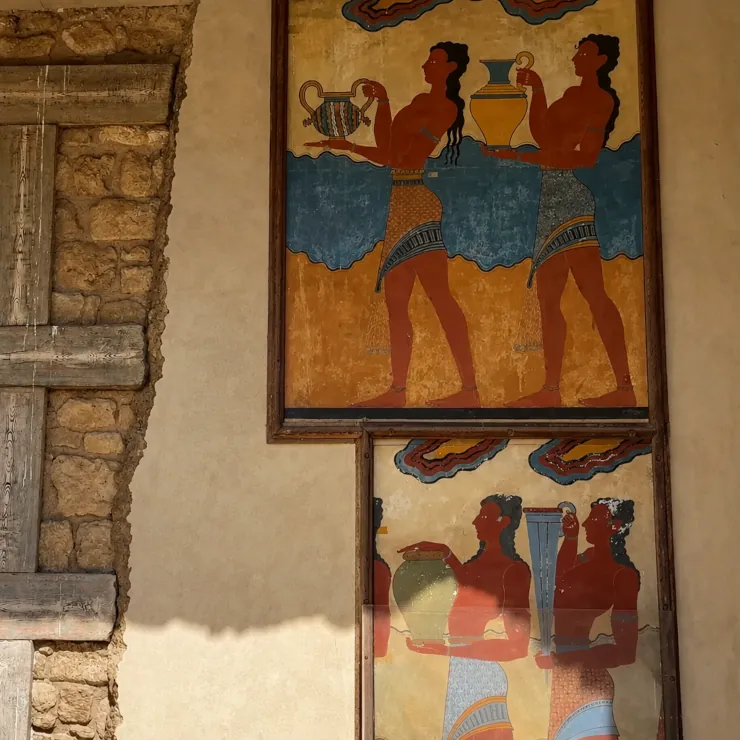
The Palace of Knossos, just outside Heraklion, is the most famous historical site on the island and the largest surviving Minoan palace ever found.
Even if ancient history is not usually your interest, the myths connected to the site, including the legend of the Minotaur, make it easier to enjoy than a typical ruin visit. That said, it does get crowded in the middle of the day, so an early morning or late afternoon visit is more pleasant.
If archaeology genuinely does not interest you at all, it is fine to skip it and spend that time at the coast instead. Crete does not require Knossos to feel worthwhile.
Choosing the Right Beach for Your Trip
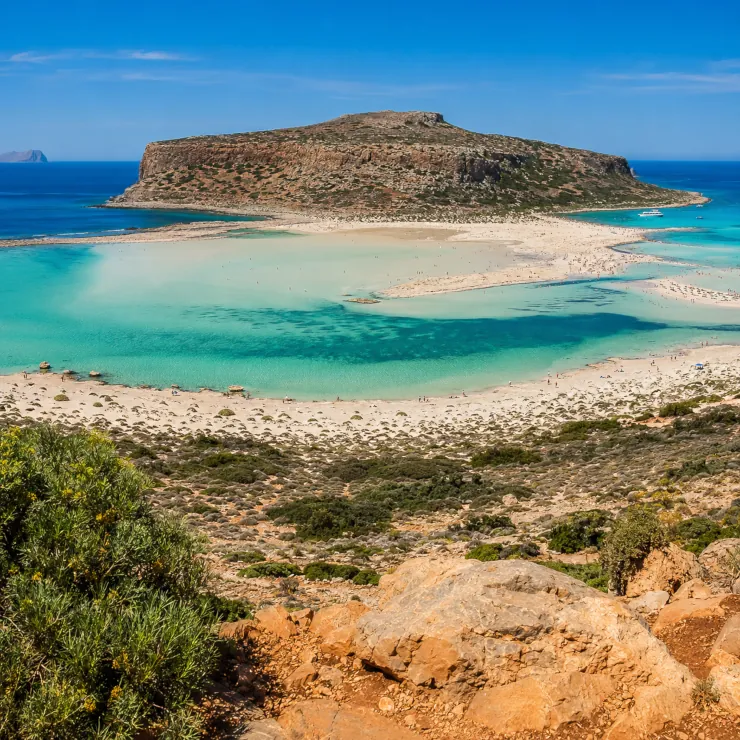
With so many beaches on the island, choosing one can feel overwhelming.
If you are travelling with young children, Elafonisi in the southwest is a strong choice, thanks to its pink-tinted sand and shallow, calm water.
If you want a dramatic view along with your swim, Balos Beach near Chania has bright turquoise water framed by hills, though reaching it usually means a boat trip or a short walk down from a viewpoint.
For something different, Vai Beach on the east coast sits next to a large wild palm grove, a rare sight for a European beach.
If your main goal is to avoid crowds, smaller beaches near Plakias or Paleochora on the south coast are quieter options.
Is the Samaria Gorge Hike Realistic for a First Trip?
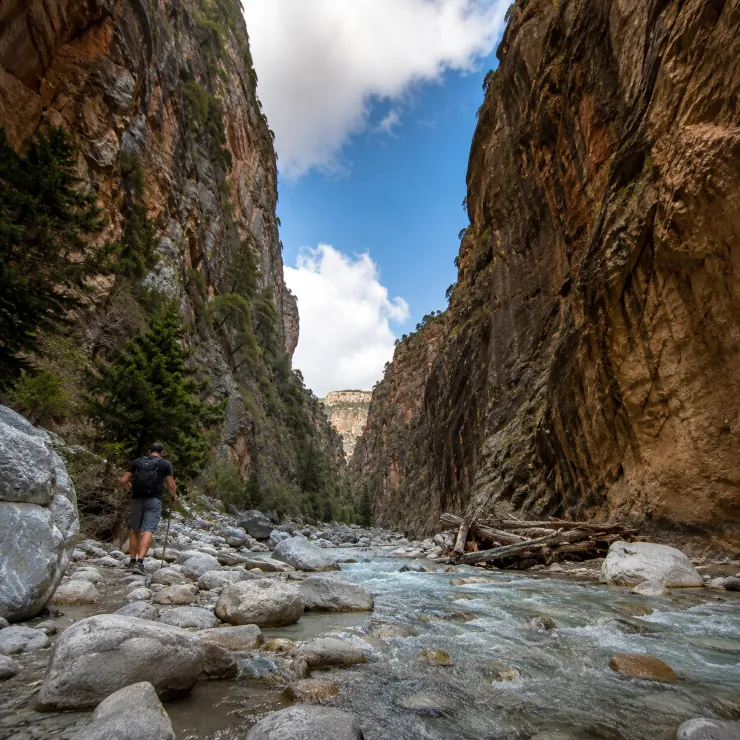
Walking through the Samaria Gorge is one of the most popular outdoor activities on the island, and it is doable for most reasonably fit travellers, though it is a full-day commitment.
The hike usually takes five to seven hours and ends near the coastal village of Agia Roumeli, from where you take a boat back rather than walking the same path in reverse.
The trail is normally open from May through October. If you are not used to long hikes or are traveling with small children, this is one activity worth skipping rather than forcing, since there are other scenic walks on the island that take far less time.
When Should You Go?
May, June, September, and October offer the best mix of warm weather and smaller crowds.
July and August are the hottest and busiest months, with peak prices and packed beaches.
Winter is mild by northern European standards, but many hotels, restaurants, and beach facilities close for the season, so it is not a good fit for a first visit focused on the coast.
Practical Things to Know for Your First Time in Crete
Cretan hospitality often includes a free glass of raki, a strong local spirit, at the end of a meal, so it helps to know it is coming rather than being caught off guard.
Sun protection matters even outside peak summer, since the island gets a lot of sunshine year-round.
And if you plan to drive into the mountains, keep in mind that petrol stations are less frequent once you leave the main towns, so it is worth filling up before heading off the beaten path.
Coming back for a second visit later is common too, since one trip is rarely enough to see the whole island, but your first time in Crete is a great introduction to what makes it different from the rest of Greece.