
 Islands Around
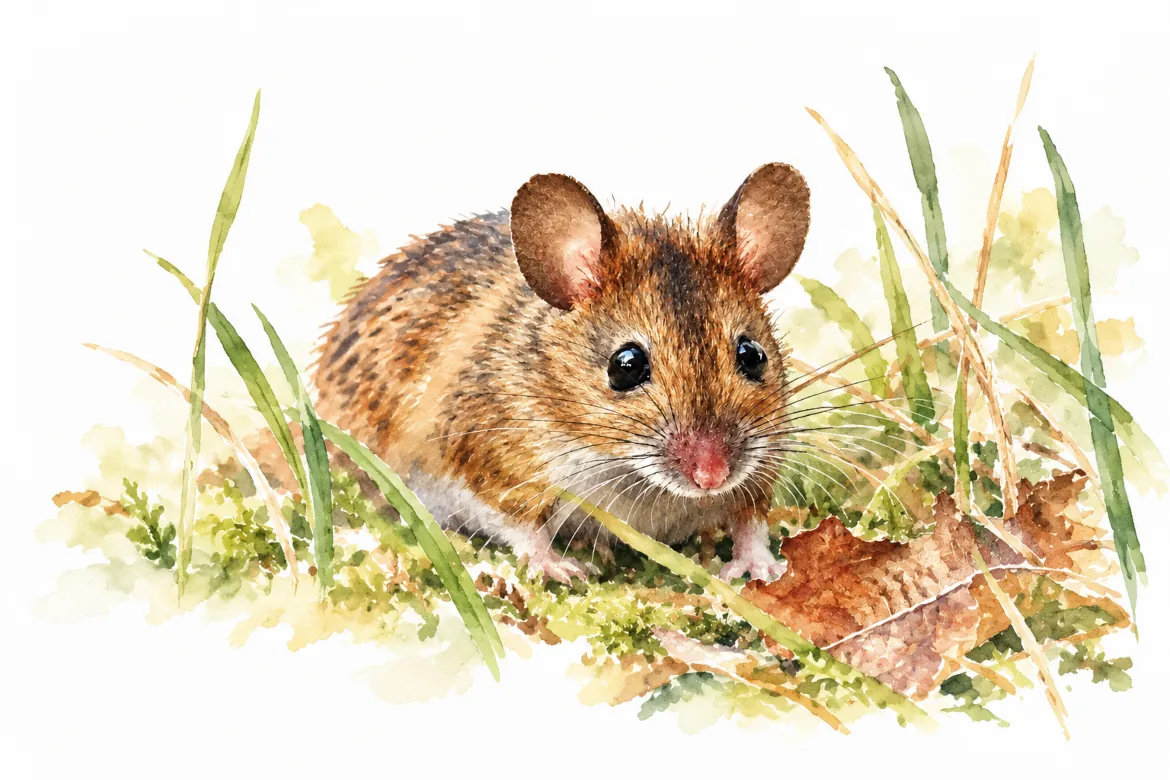
The wood mouse in Iceland has an unusual story. It almost certainly arrived on a ship, yet today it lives in the open countryside.
People first settled Iceland around 1,100 years ago. At the time, the Arctic fox was the only land mammal living there.
No rodent in Iceland is native. All of them almost certainly arrived as stowaways on ships.
Iceland has four rodent species today: the wood mouse, the house mouse and two kinds of rat. Only the wood mouse lives across the open countryside. The other three stay close to people.
This page may contain affiliate links.
How the wood mouse in Iceland arrived
Genetic studies suggest the wood mouse arrived with the earliest settlers or with Vikings who came soon after. It likely came from Britain.
The rats arrived much later. One rat species, in fact, was not confirmed as established until the 1820s.
Where the wood mouse in Iceland lives today
House mice and rats stay close to farms, ports and other buildings. They rarely venture far from human activity. The wood mouse, however, lives in the open countryside.
It can be found in grassland, heath and mossy lava fields. It also lives in gardens and on sheltered ground beneath sea cliffs. Depending on the season, it feeds on seeds, berries, plants and insects.
Why this rodent matters
Iceland had very few native land mammals to begin with. The wood mouse is now the only significant rodent living wild in the countryside, and it fills that role almost entirely on its own.
The short-eared owl, which breeds in Iceland, sometimes hunts it. The snowy owl, a rare resident, also preys on it, though less often.
Wood mouse populations rise and fall sharply from year to year. But wherever the countryside offers enough food and cover, the wood mouse tends to be there.