
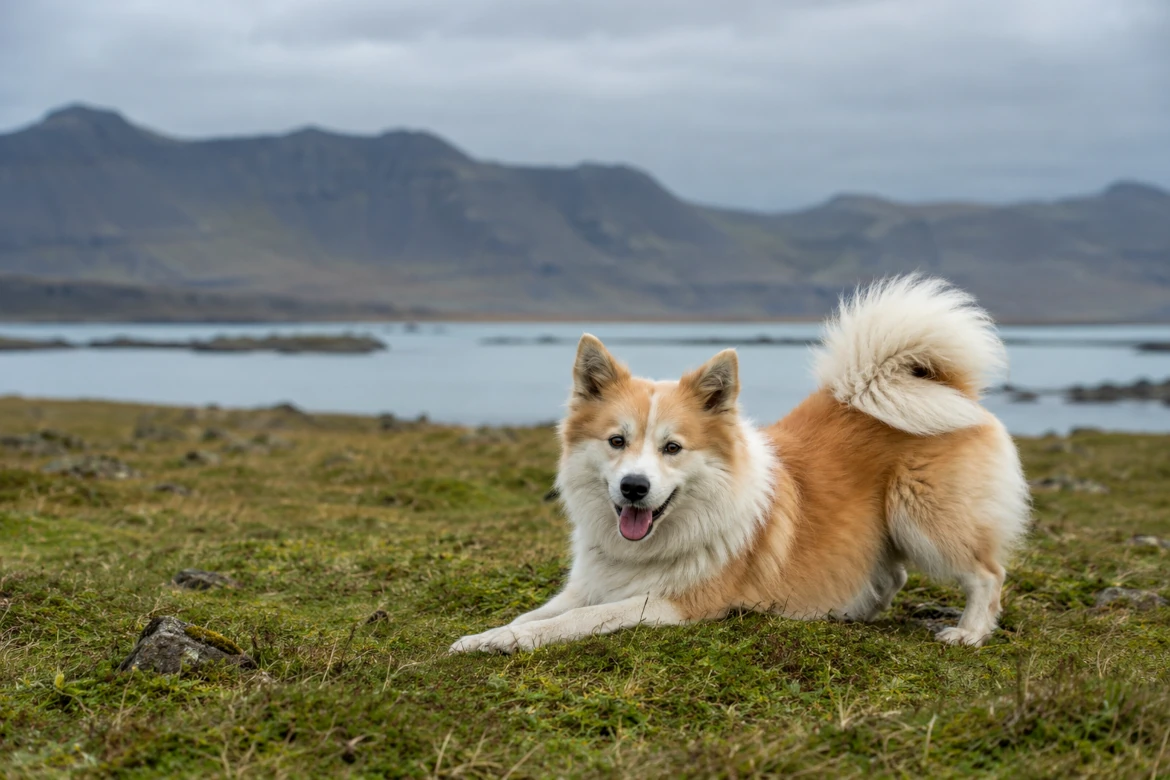
The Icelandic Sheepdog, also known as the Iceland Dog, is Iceland’s only native dog breed. Vikings brought the dogs’ ancestors to Iceland over a thousand years ago. The breed has stayed close to its roots ever since.
Iceland is an island. For a long time, few new dogs came in from other countries. This helped the breed stay the same for many years.
Today, this cheerful, fox-like dog has fans all over the world, not just in Iceland. Here is what you need to know before you get one.
This page may contain affiliate links.
A Short History of the Breed
The Icelandic Sheepdog came to Iceland with Norse settlers between 874 and 930 AD. These early dogs helped farmers herd sheep and horses across Iceland’s rocky land. Iceland made strict rules about bringing in dogs and other animals. Because of this, the breed stayed on its own for many years and kept its special look and traits.
In the 1800s and into the 1900s, disease and new dog breeds from other countries almost wiped out the Icelandic Sheepdog. At one point, only a few pure Icelandic Sheepdogs were left. A group of breeders worked hard to save the breed. In 1969, they started the Icelandic Kennel Club to protect and help the breed grow again.
The international dog organization FCI fully recognized the breed in 1972. The American Kennel Club (AKC) recognized it in 2010. Iceland still has strict rules about bringing dogs into the country. This helps stop new diseases and keeps local dogs safe.
What Makes the Icelandic Sheepdog Unique
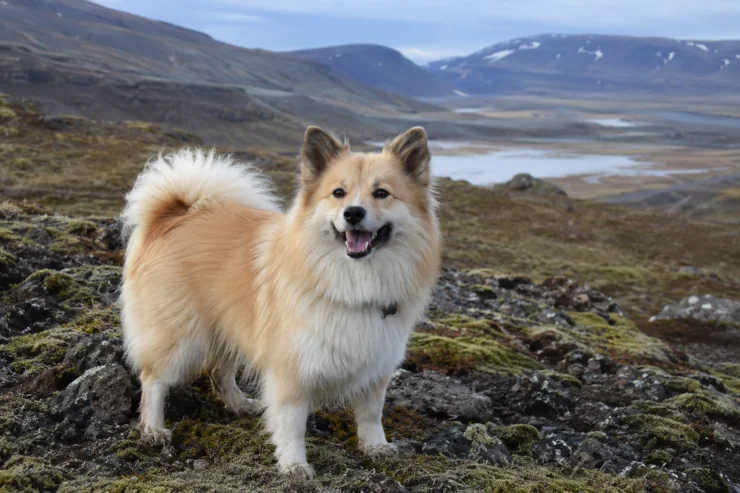
This breed is a Spitz-type dog. That means it has a thick double coat, pointed ears, and a curled tail. Icelandic Sheepdogs come in many colors, such as tan, brown, gray, and black, often with white markings.
Males stand about 46 cm (18 inches) tall at the shoulder. Females are a bit smaller, about 42 cm (16.5 inches). Males weigh around 14 kg (30 pounds). Females weigh around 11 kg (25 pounds).
The face is easy to notice. The Icelandic Sheepdog has a fox-like head, bright eyes, and a happy look. Many owners say their dog always looks like it’s smiling.
Personality and Temperament
Icelandic Sheepdogs are friendly, playful, and loyal. They love their families and want to be part of everything at home. This breed does not like being alone for a long time. It wants to stay close to its people, whether that means sitting near you or walking behind you around the house.
These dogs are smart and alert. In the past, they watched over farm animals, so they still like to watch what’s happening around them. Because of this, they often bark when something new happens, like a visitor at the door. This makes them good watchdogs. Early training can help stop too much barking.
They are friendly and social dogs. With good training and time around people, they make great family pets.
Training an Icelandic Sheepdog
This breed is smart and wants to make its owner happy. This makes training easier than with more stubborn breeds. Give treats and praise for good behavior. This works better than being strict or harsh. Start training when the dog is young, since good habits stay for life.
This breed comes from herding dogs. Because of this, some Icelandic Sheepdogs may try to herd children or other pets. Early training can help stop this habit.
It also helps to introduce your dog to new people, places, and animals while it is still young. This helps the dog grow into a calm and friendly adult.
Exercise and Daily Needs
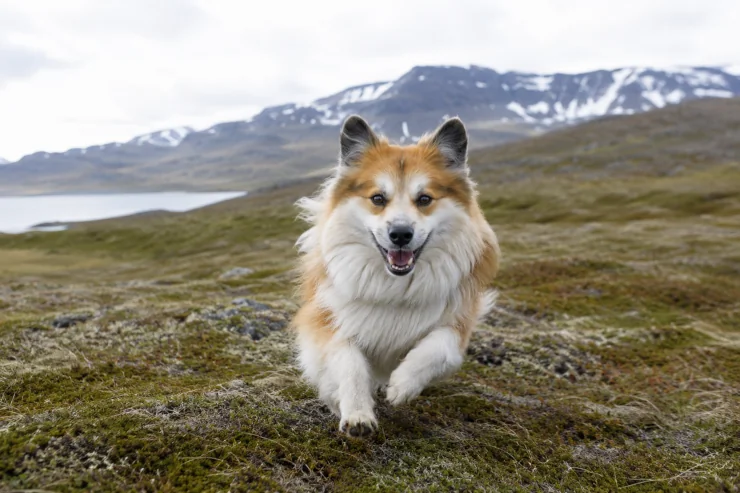
The Icelandic Sheepdog is a medium-sized dog, but it has a lot of energy. In the past, this breed worked outside all day. Because of this, it still needs plenty of exercise to stay happy and healthy. A daily walk, playtime in the yard, or a hike outside will help.
Without enough exercise, this breed can get bored. Bored dogs often chew things or bark too much. If you enjoy an active life or outdoor activities, this breed can be a good match for you.
Grooming Tips for the Thick Coat
The Icelandic Sheepdog has a double coat that keeps it warm. There are two coat types: short and long. Both types lose hair, especially in spring and fall. Brushing your dog often helps control loose hair. You may need to brush more during the shedding seasons.
During shedding time, you may need to brush your dog almost every day. A slicker brush or an undercoat rake works well to remove loose fur. Do not bathe your dog too often. Too much washing can remove the natural oils that protect the skin and coat.
Health and Lifespan
The Icelandic Sheepdog is usually a healthy breed. Still, like most dog breeds, it can get some health problems that run in families. On average, these dogs live 12 to 14 years. Common health issues include hip and elbow problems, a loose kneecap, and eye problems like cataracts, which cloud the eye over time.
Regular vet visits help catch health problems early. A good breeder will also test the parent dogs for these issues before breeding.
Feed your dog a balanced diet that fits its age and activity level. Along with regular exercise, this helps your dog live a long, healthy life.
Is the Icelandic Sheepdog Right for You?
If you want an active, friendly dog that loves being part of the family, the Icelandic Sheepdog could be a great choice. This breed does best with owners who can give it daily exercise, regular grooming, and lots of time together. It can live in an apartment if it gets enough outdoor activity, but a house with a yard is often a better fit.
Before you choose this breed, think about your daily schedule and how much time you can give to exercise, grooming, and training. In return, the Icelandic Sheepdog gives you loyalty, warmth, and a playful spirit that brings joy to daily life.