
Small, quick-witted, and full of energy, the Shetland Sheepdog, better known as the Sheltie, first developed as a working herding dog on the rugged Shetland Islands off the coast of Scotland.
This clever little dog has since won the hearts of families all over the world. If you are thinking about getting a Sheltie, or you already have one and want to learn more, this guide will give you everything you need to know.
This page may contain affiliate links.
Where the Sheltie Comes From
The Shetland Islands are cold, windy, and have very little food for large animals. Because of this, the dogs that lived there had to be small and tough. Farmers on the islands needed a dog that could herd sheep and ponies, but also guard the house and warn the family if a stranger came near.
Over time, breeders mixed local herding dogs with collies brought over from mainland Scotland. This mix gave us the Sheltie we know today: a dog that looks like a mini Rough Collie but has its own personality and history.
What a Shetland Sheepdog Looks Like
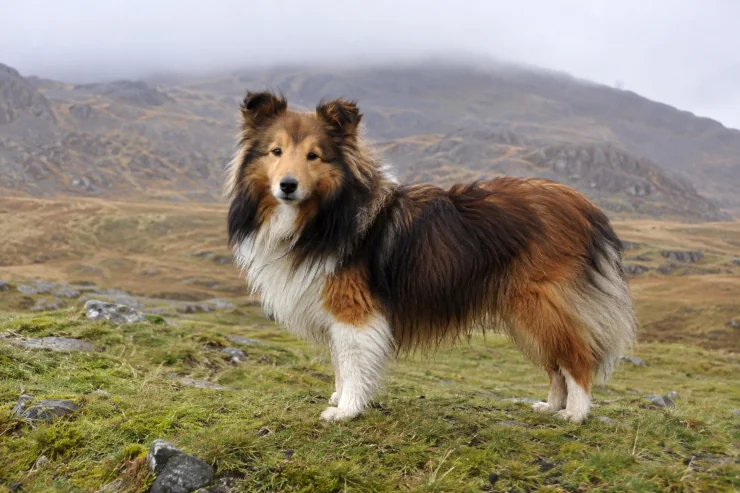
Shetland Sheepdogs are small herding dogs, usually between 33 and 41 centimetres (13–16 inches) tall at the shoulder. They have a thick double coat, a pointed nose, and bright, alert eyes. Their fur comes in several colours, including sable, black, and blue merle.
One of the most charming things about a Sheltie is its expression; they often look like they are smiling or paying close attention to everything around them. Their long coat needs regular brushing, especially around the neck and tail, where it can get tangled easily.
Sheltie Personality and Temperament
Shelties are known for being loyal, gentle, and very smart. They form strong bonds with their family and often pick one person to be closest to. They are also naturally cautious around strangers, which makes them good watchdogs, though they are not aggressive.
Barking can be an issue with this breed, since herding dogs use their voice to control animals, and a bored Sheltie may bark at anything that moves. Early training helps control this habit.
These dogs love to be near their people. They are not the type of breed that is happy left alone in a garden all day. If you work long hours away from home, a Sheltie might struggle with loneliness and could develop anxious habits.
Training a Shetland Sheepdog
Because Shetland Sheepdogs are among the smartest dog breeds, training them is usually a smooth process. They pick up commands quickly and enjoy having a job to do. Positive reinforcement, such as treats and praise, works far better than harsh methods, since Shelties are sensitive dogs that can become nervous if handled roughly.
Many owners find success with agility training, obedience classes, or herding trials. These activities give the dog’s brain the exercise it needs, not just its body. A Sheltie without mental stimulation can become restless or develop repetitive behaviours like spinning or excessive barking.
Exercise Needs
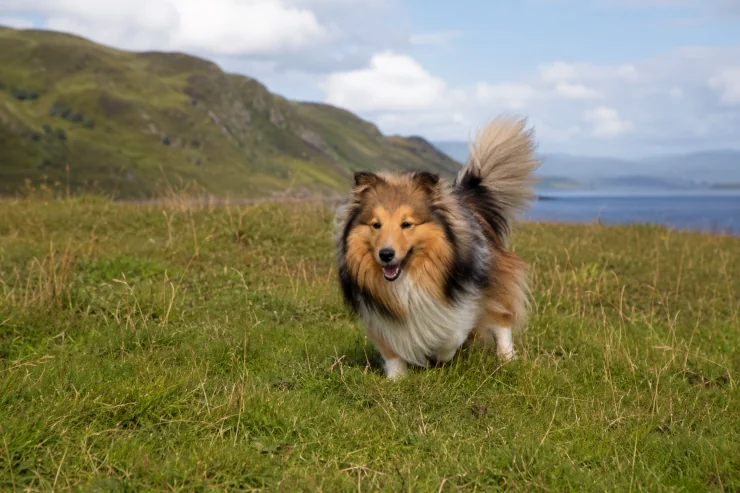
Don’t let their small size fool you because Shelties are active dogs that need daily exercise. A brisk walk twice a day, combined with playtime or a training session, keeps them happy and healthy. They also enjoy dog sports such as flyball, frisbee, and agility courses, where their speed and intelligence really shine.
Grooming Your Sheltie
The Sheltie’s coat is one of its most recognisable features, but it does require work. Brushing two to three times a week helps prevent mats and reduces shedding around the house. During shedding season, which usually happens twice a year, daily brushing is a good idea.
Bathing should only happen when needed, since washing too often can strip natural oils from the skin and coat.
Trim their nails regularly, check their ears for dirt or wax build-up, and brush their teeth a few times a week to avoid dental problems later in life.
Common Health Issues
Like many purebred dogs, Shetland Sheepdogs can be prone to certain health conditions. These include hip dysplasia and eye problems such as Collie eye anomaly.
A smaller number of Shelties also carry a gene called MDR1, which can make them more sensitive to certain medications, so it’s worth asking your vet about testing for this.
Regular vet checks, a good diet, and responsible breeding all help reduce these risks. Most Shelties live between 12 and 14 years when well cared for.
Is a Sheltie Right for You?
Shelties suit families, couples, and individuals who want an active, affectionate companion. They do well in flats and houses alike, as long as they get enough exercise and company. If you have children, Shelties are usually gentle and playful with them, though early socialisation is still important.
People who travel often or work away from home for long stretches might want to consider a different breed, since Shelties thrive on close contact with their family.
Feeding a Shetland Sheepdog
A balanced diet suited to a small, active breed works best. Puppies need food designed for growth, while adult Shelties do well on high-quality kibble split into two meals a day. Watch their weight closely, since this breed can gain extra pounds if overfed or under-exercised.