Most countries choose a national flower for its appearance or where it grows. Greenland went a step further. Its national flower shares its root word with some of the most common girls’ names in the country.
This page contains affiliate links, which may earn us a small commission.
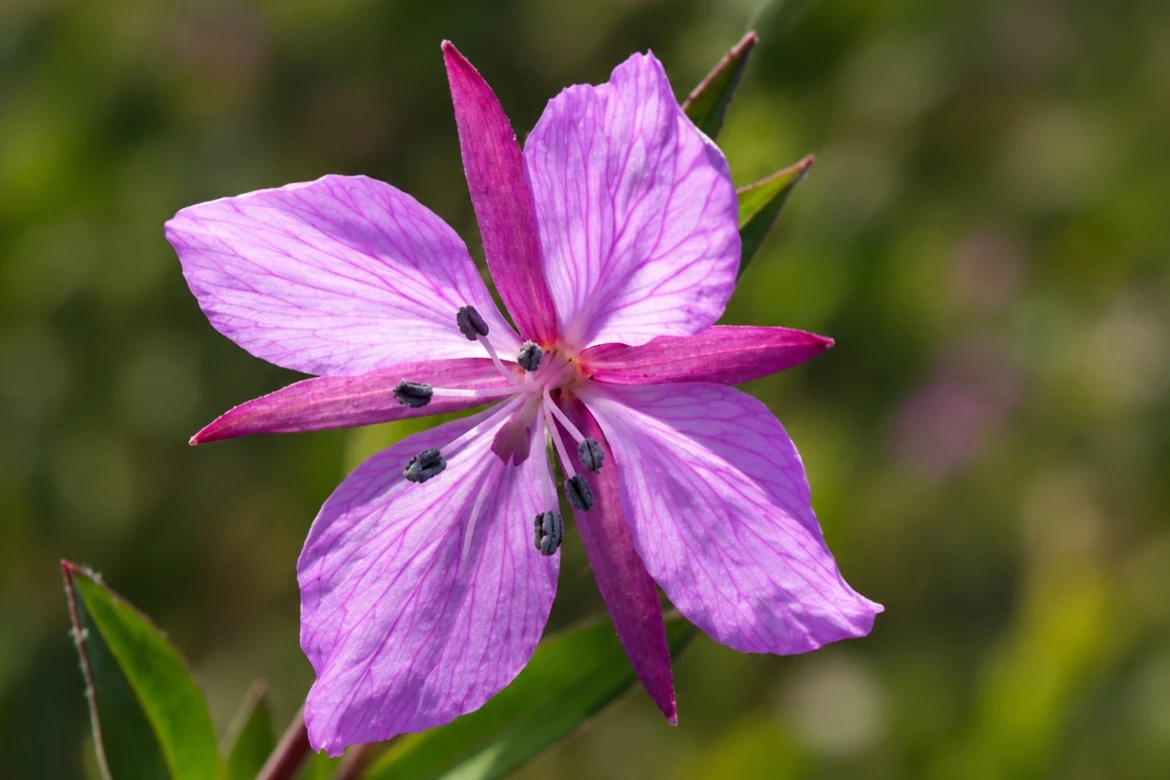
The plant is niviarsiaq, a bright pink wildflower that grows along sandy riverbanks and among gravel from June through September.
In English, it is sometimes called dwarf fireweed or river beauty, and it belongs to the same family as the evening primrose. It is not unique to Greenland. Related species grow across much of the Arctic and subarctic world, but nowhere else has given it quite the same status.
In Greenlandic, niviarsiaq means young girl, and the same root gives rise to some of the country’s most popular girls’ names, including Nivi, which topped the list of the most common given names in recent years.
The flower earns its place beyond the name alone. It grows in some of the country’s most recognisable landscapes, spreading along the edges of glacial rivers near Kangerlussuaq and appearing repeatedly along the 160-kilometre (100-mile) Arctic Circle Trail, one of Greenland’s most popular hikes.
For generations before it had any official status, communities also used it as food, eating the leaves raw or cooked, and using the flowers and fruit in simple summer dishes.
Its national flower status came later, a formal recognition of a plant that Greenlanders had already woven into daily life for years, through food, landscape and language alike. The national flower and one of the country’s most common given names, it turns out, grow from the same root.